AI Headshot Privacy and Safety: A Comprehensive Guide to Secure Image Generation
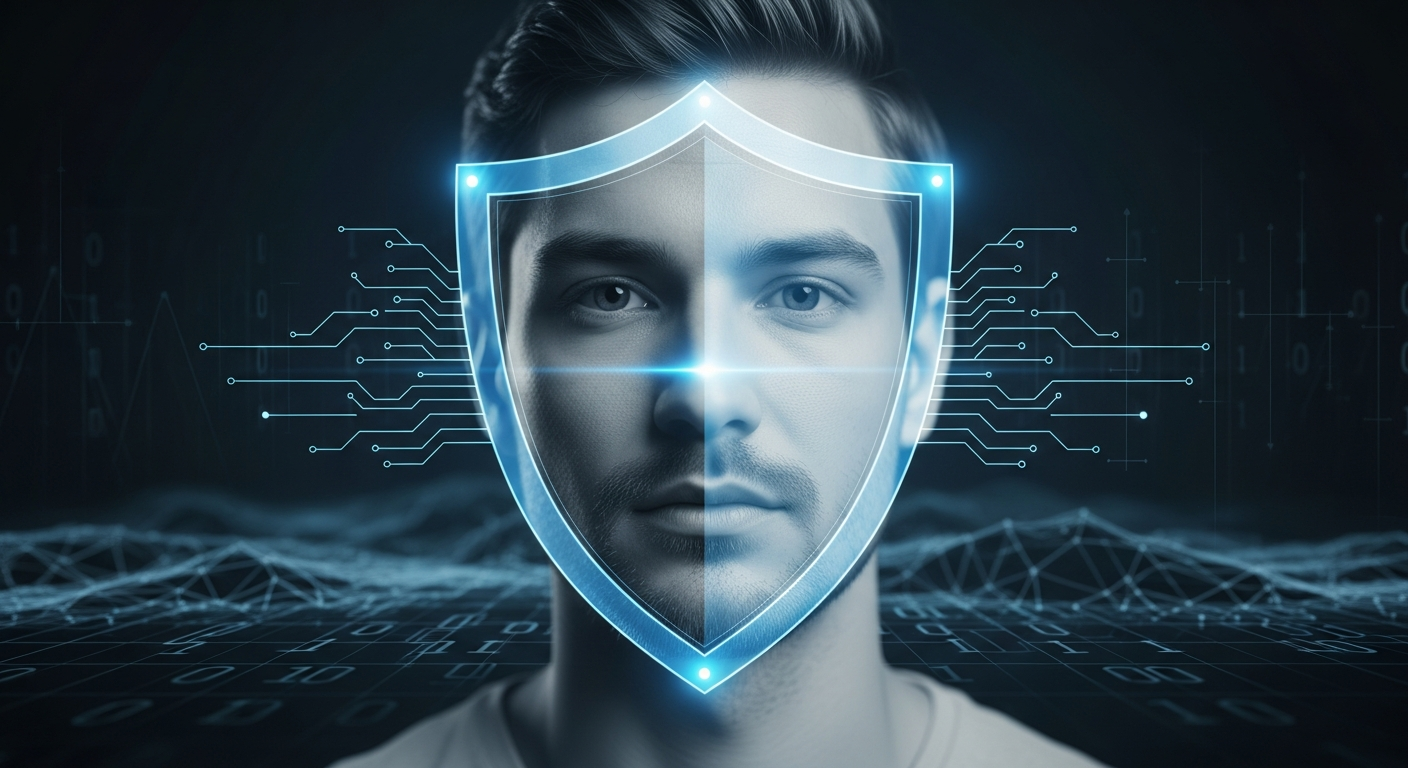
The digital landscape is constantly evolving, and with it, new tools emerge that redefine how we present ourselves online. Among the most popular innovations are AI headshot generators, which leverage artificial intelligence to create stunning, professional-grade portraits from a handful of personal photos. These services offer unparalleled convenience and affordability, making them a go-to choice for individuals seeking a polished professional headshot for their online profiles, résumés, and branding.
However, as with any technology that handles personal data, the rise of AI headshots brings forth critical questions regarding privacy and safety. Users are increasingly concerned about where their photos go, how their data is used, and what measures are in place to prevent misuse. This comprehensive guide aims to demystify these concerns, providing a clear understanding of the risks and offering practical advice to navigate the world of AI-generated headshots securely.
The Allure of AI Headshots: Convenience Meets Quality
Before delving into the specifics of privacy and safety, it's worth acknowledging why AI headshots have become such a phenomenon. Traditional photography can be time-consuming and expensive, often requiring appointments, specific attire, and professional studio sessions. AI headshot generators, on the other hand, promise:
* Convenience: Generate multiple styles and looks from the comfort of your home. * Cost-Effectiveness: Often significantly cheaper than a professional photoshoot. * Speed: Get your new headshots in minutes or hours, not days or weeks. * Variety: Experiment with different backgrounds, outfits, and lighting without changing a thing in real life.
These benefits make AI headshots an attractive option for a LinkedIn headshot, a resume headshot, or even a corporate headshot for an entire team. But this convenience comes with a caveat: the exchange of personal data.
Understanding the Technology: How AI Headshots Are Made
To grasp the privacy implications, it's essential to understand the underlying process. AI headshot generators typically work as follows:
During this process, your uploaded photos and the derived data (your facial features, biometric data) are handled by the service provider's servers and AI systems. This handling is where privacy and safety concerns arise.
The Core Concern: Your Data and AI Generated Headshots
When you upload photos to an AI headshot generator, you are entrusting a third-party service with highly personal data. This data can include:
* Your Image Data: The raw photos you upload. * Biometric Data: Information derived from your facial features, such as facial geometry, skin texture, and unique identifiers. * Metadata: Information embedded in your photos, like location data, device type, and time taken. * Personal Information: Your name, email address, and payment details required for account creation and service payment.
The critical question is: What happens to this data after your headshots are generated?
Major Privacy Risks Associated with AI Headshot Generators
Safety Considerations: Beyond Privacy
While privacy focuses on data handling, safety extends to the potential harm that can arise from the technology itself.
* Deepfake Potential: AI headshot technology is closely related to deepfake technology. By providing an AI with numerous images of yourself, you are essentially giving it the building blocks to create highly convincing fake images or videos of you doing or saying things you never did. While reputable services aim to prevent this, the underlying capability exists. * Identity Theft and Impersonation: While AI headshots themselves don't directly lead to identity theft, a trove of high-quality images of you, combined with other leaked personal data, could make it easier for malicious actors to impersonate you online or bypass facial recognition systems.
Empowering Yourself: Best Practices for Users
Navigating the world of AI headshots safely requires vigilance and informed decision-making. Here are practical tips to protect your privacy and safety:
1. Choose Reputable Providers
* Research Thoroughly: Opt for well-established companies with a proven track record. Read reviews, check their presence on professional platforms, and look for transparent communication. * Avoid Unknowns: Be wary of new, unreviewed services, especially those offering exceptionally low pricing or free services, as they might have less robust security and privacy practices.
2. Scrutinize Privacy Policies and Terms of Service (ToS)
This is perhaps the most crucial step. Before uploading any photos:
* Read Carefully: Understand what data they collect, how it's used, who it's shared with, and for how long it's stored. * Look for Keywords: Pay attention to terms like "biometric data," "third-party sharing," "data retention," "anonymization," and "deletion policy." * Seek Clarity: If a policy is vague or confusing, reach out to customer support for clarification. If they can't provide clear answers, consider it a red flag.
3. Understand Data Retention and Deletion Policies
* Right to Delete: Ensure the service explicitly states your right to request the deletion of your original photos and any derived data (your facial model) from their servers. Reputable services often automate deletion after a certain period (e.g., 30 days). * Confirmation: After generating your headshots, consider exercising your right to request data deletion and ask for confirmation.
4. Practice Data Minimization
* Upload Only Necessary Photos: Provide only the minimum number of photos required by the service. Avoid uploading highly sensitive images or those that reveal excessive personal information. * Remove Metadata: Before uploading, consider stripping metadata (like location data) from your photos using online tools or your device's photo editor.
5. Check for Transparency and Compliance
* GDPR/CCPA Compliance: Services that comply with stringent data protection regulations like GDPR (Europe) or CCPA (California) generally have stronger privacy safeguards. Look for explicit statements of compliance. * Security Measures: While not always detailed publicly, some providers mention their security protocols, such as encryption during data transfer and storage.
6. Review Your Generated Headshots Carefully
* Accuracy and Appropriateness: Ensure the generated headshots accurately represent you and are appropriate for your intended use (e.g., a professional executive headshot should maintain a certain decorum). * Unintended Creations: While rare with reputable services, check for any anomalies or unintended creations that might be concerning.
7. Be Wary of "Free" Services
As the adage goes, "If you're not paying for the product, you are the product." Free AI headshot generators might monetize your data by using it for extensive AI model training, selling it to third parties, or displaying targeted ads. The investment in a paid, reputable service often comes with stronger privacy guarantees.
The Provider's Responsibility: What to Look For
From a user's perspective, knowing what constitutes a responsible AI headshot provider is key to making a safe choice. Look for services that prioritize:
* Robust Encryption: All data, both in transit and at rest, should be encrypted to prevent unauthorized access. * Clear Data Deletion Protocols: Automated and user-initiated options for deleting data should be readily available and clearly explained. * Strict Access Controls: Only authorized personnel should have access to user data, with audit trails in place. * Regular Security Audits: Independent security audits help identify and rectify vulnerabilities. * Compliance with Data Protection Regulations: Adherence to global and regional privacy laws demonstrates a commitment to user data rights. * Transparency and User Control: Clear communication about data practices and giving users control over their data are hallmarks of a trustworthy service.
AI Headshots for Professional Use Cases: Ensuring Trust and Integrity
The demand for AI-generated images extends across various professional domains. Whether you're seeking a polished realtor headshot to build client trust or coordinating a team headshot for your entire company, privacy and safety remain paramount.
For professionals, maintaining a credible and secure online presence is non-negotiable. A breach of privacy or misuse of an individual's likeness can have severe repercussions on personal brand and corporate reputation. Therefore, when choosing an AI headshot service for a professional headshot, particularly for high-stakes roles like an executive headshot, the emphasis on robust privacy policies and transparent data handling becomes even more critical. Organizations considering AI solutions for their workforce should conduct thorough due diligence, ensuring that the chosen provider meets stringent security standards and respects employee data rights.
The Future of AI Headshot Privacy and Safety
The landscape of AI and data privacy is continuously evolving. As AI technology becomes more sophisticated, so too will the methods for protecting personal data and preventing misuse. Future developments may include:
* Decentralized AI: Where computations happen on your device, reducing the need to upload sensitive data to central servers. * Homomorphic Encryption: Allowing AI models to process encrypted data without decrypting it. * Stronger Regulatory Frameworks: Governments worldwide are likely to introduce more stringent laws specifically addressing biometric data and AI-generated content. * Digital Watermarking and Provenance: Technologies to verify the origin and authenticity of digital images, combating deepfakes and misuse.
Conclusion: Make Informed Choices for Your Digital Likeness
AI headshots offer an exciting, accessible avenue for enhancing your professional image. However, the convenience and innovation they provide must be balanced with a strong awareness of privacy and safety implications. By understanding how these services operate, diligently reviewing their policies, and adopting best practices for data protection, you can confidently leverage AI headshot technology while safeguarding your most personal asset: your digital likeness.
Always remember that your data is valuable. Choosing a reputable provider, reading the fine print, and exercising your rights are not just recommendations—they are essential steps in maintaining control over your identity in the age of artificial intelligence. Make informed choices, and enjoy the benefits of a perfectly crafted, secure AI-generated headshot.
Frequently Asked Questions
Create Your Professional AI Headshot
Get studio-quality professional headshots in minutes. Upload one selfie and let AI do the rest.